





Why Is Felixstowe a Critical Hub for Efficient Customs Clearance in the UK?

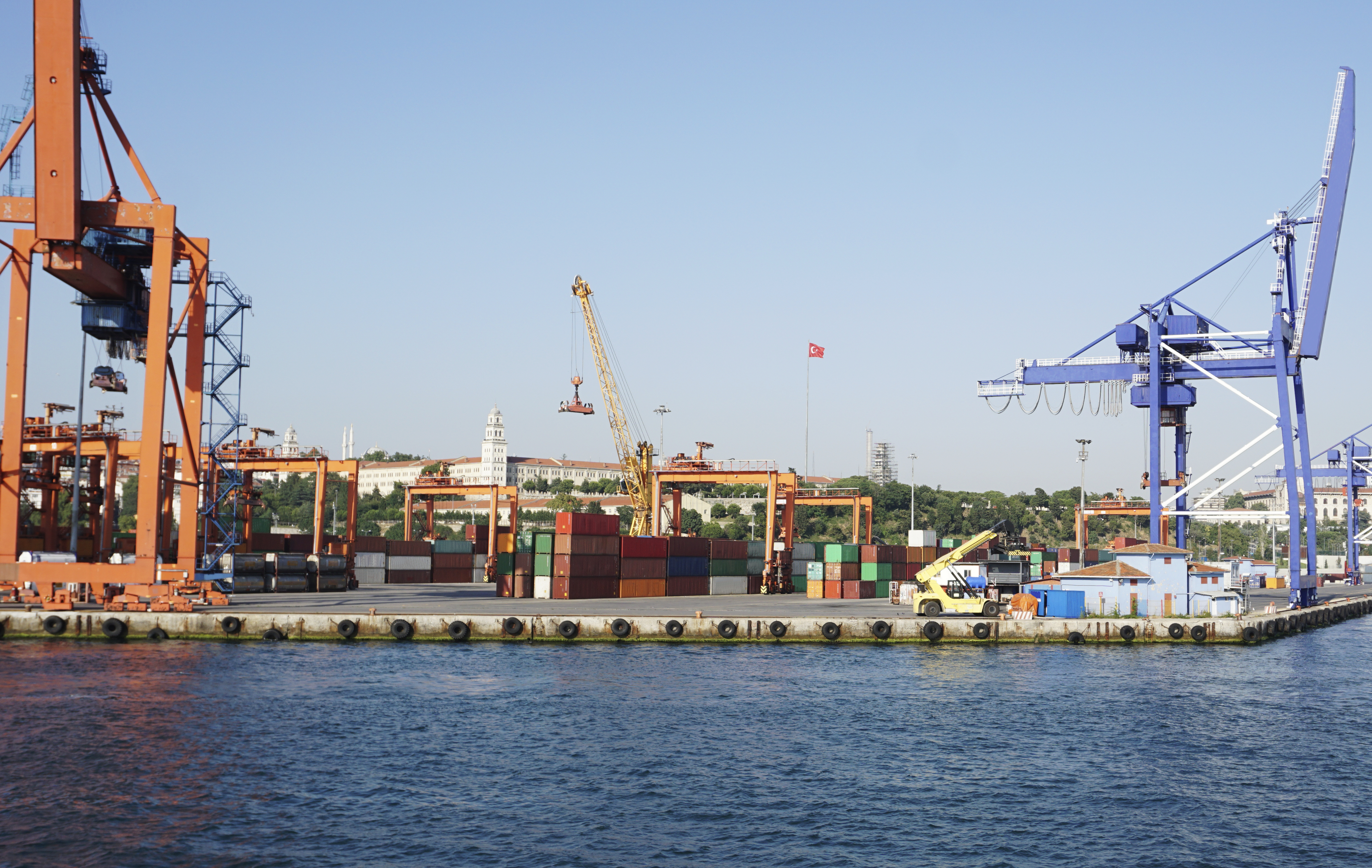
Felixstowe is widely recognised as the UK’s largest and busiest container port, handling a significant share of the nation’s international trade. Its strategic location, advanced infrastructure, and strong integration with customs systems make it a vital hub for efficient imports and exports. For businesses involved in global trade, understanding why this port plays such a central role in Customs clearance Felixstowe can help improve compliance, reduce delays, and streamline supply chains.
Strategic Location and Global Connectivity
Felixstowe’s location on the east coast of England places it at the heart of the UK’s international trade routes. The port offers direct connections to major global markets, including Asia, Europe, and North America. These extensive shipping links allow goods to move efficiently between the UK and overseas destinations, making Felixstowe a preferred entry and exit point for containerised cargo.
The port’s proximity to key distribution hubs and motorway networks also supports faster onward transportation, which is especially valuable for time-sensitive goods. This logistical advantage contributes significantly to the speed and reliability of customs clearance operations.
Advanced Port Infrastructure and Technology
One of the main reasons Felixstowe is critical to efficient customs clearance is its modern infrastructure. The port is equipped with state-of-the-art container handling facilities, automated systems, and digital tracking technologies. These features enable high cargo throughput while maintaining accuracy and security.
Customs processes at Felixstowe benefit from integrated IT systems that allow documentation to be submitted electronically in advance. This pre-arrival processing helps reduce congestion and enables customs authorities to assess shipments more efficiently, minimising delays once goods arrive at the port.
Alignment with UK Customs Systems
Felixstowe is fully aligned with UK customs frameworks, including HMRC requirements and post-Brexit trade regulations. The port works closely with customs authorities to ensure that import and export procedures are carried out in compliance with current legislation.
For traders, this means that declarations, duty calculations, VAT assessments, and compliance checks can be handled in a structured and transparent manner. Efficient Customs clearance Felixstowe relies heavily on accurate documentation, such as commercial invoices, packing lists, commodity codes, and certificates of origin. The port’s established processes support smooth handling of these requirements.
Expertise in Handling Diverse Cargo Types
Felixstowe handles a wide range of goods, from consumer products and industrial machinery to food items and controlled goods. This diversity has led to strong expertise in managing different customs requirements, including special procedures for bonded goods, temporary imports, and excise products.
The port is also well-equipped to manage inspections and examinations when required. Designated facilities allow customs checks to be carried out efficiently without disrupting overall cargo flow, which is crucial for maintaining supply chain continuity.
Role in Post-Brexit Trade Operations
Since the UK’s exit from the European Union, customs clearance has become more complex for many businesses. Felixstowe has played a key role in adapting to these changes by implementing systems and processes that support new import and export controls.
These include safety and security declarations, customs declarations for EU trade, and additional compliance checks. The port’s ability to manage increased documentation and regulatory requirements has reinforced its position as a dependable hub for international trade in the post-Brexit landscape.
Importance of Compliance and Risk Management
Efficient customs clearance is not just about speed; it also involves compliance and risk management. Felixstowe’s customs environment emphasises accuracy, transparency, and adherence to regulations. Incorrect declarations or missing information can lead to delays, penalties, or inspections.
By operating within a well-regulated port environment, traders are encouraged to maintain high standards of compliance. This reduces the likelihood of disruptions and supports smoother clearance processes over the long term.
Supporting Supply Chain Efficiency
Customs clearance at Felixstowe is closely linked to overall supply chain performance. Faster clearance times mean reduced storage costs, improved delivery schedules, and better inventory management. The port’s efficiency helps businesses maintain predictable lead times, which is essential for planning and customer satisfaction.
Companies that understand the customs landscape at Felixstowe are better positioned to anticipate requirements, manage risks, and optimise their logistics operations. Working with experienced customs specialists, such as Global Customs, can further support businesses in navigating these processes effectively.
Felixstowe’s status as a critical hub for efficient customs clearance in the UK is built on its strategic location, advanced infrastructure, regulatory alignment, and adaptability to changing trade rules. Its ability to handle high volumes of diverse cargo while maintaining compliance makes it an essential gateway for international trade.
For businesses involved in importing or exporting goods, understanding how Customs clearance Felixstowe works is key to avoiding delays and ensuring smooth operations. With the right knowledge, preparation, and professional support from firms like Global Custom Clearance Ltd., traders can confidently navigate customs procedures and keep their supply chains moving efficiently.