




Why Are UK Importers Paying Closer Attention to Customs Clearance Southampton in 2026?

International trade in the UK has changed significantly over the last few years. In 2026, importers are facing a business environment shaped by changing customs regulations, rising shipping costs, stricter border checks, and increasing pressure to deliver goods quickly. Because of these challenges, many businesses are now paying closer attention to Customs clearance in Southampton and how it impacts their supply chains.
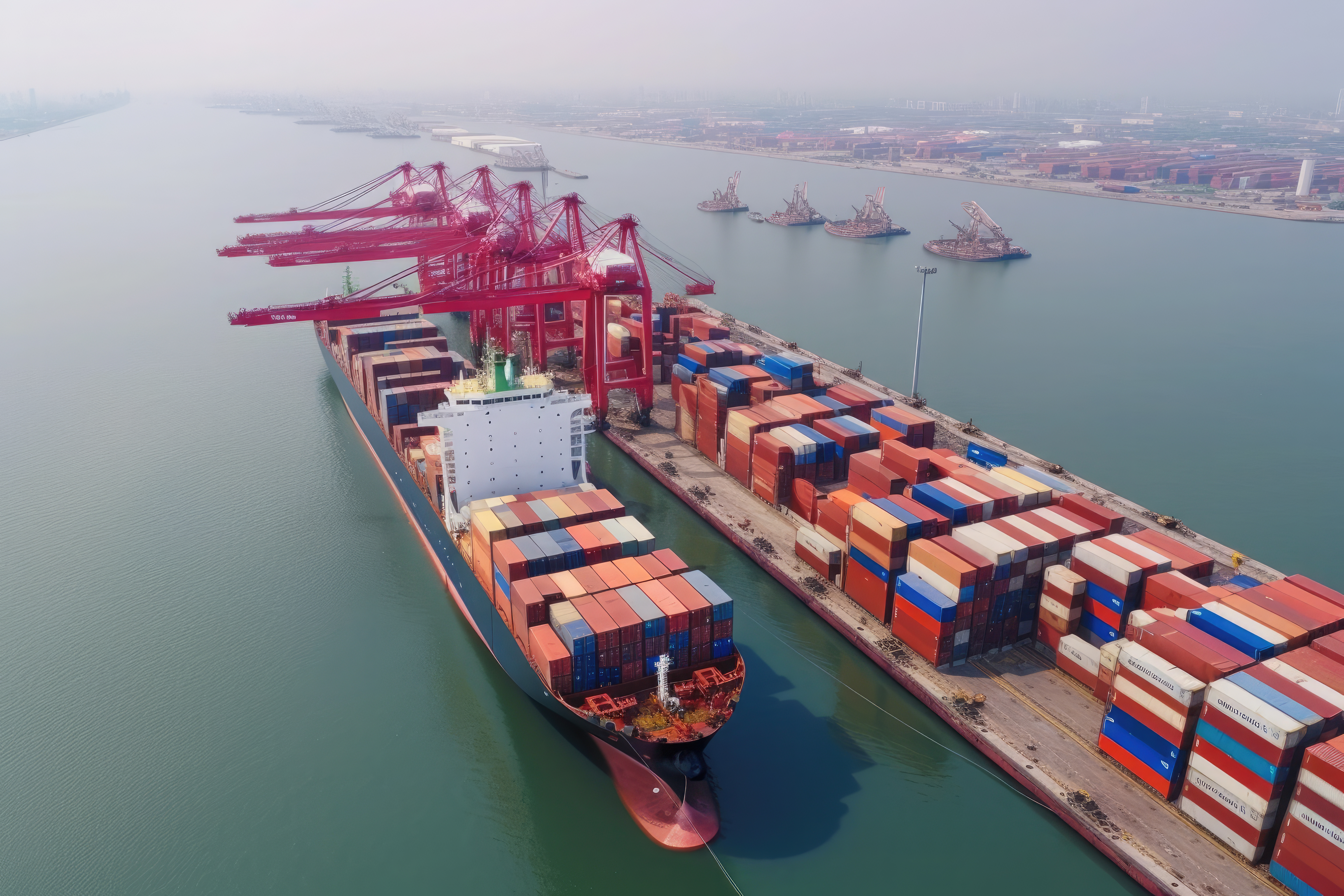
Southampton remains one of the UK’s busiest and most important ports for international cargo movement. Thousands of containers arrive through the port every week, carrying products ranging from electronics and machinery to retail goods and industrial supplies. As trade volumes continue to grow, efficient customs clearance has become more important than ever for UK businesses that depend on smooth imports and exports.
The Growing Importance of Southampton Port
Southampton has become a key gateway for UK trade because of its strategic location and strong shipping connections with Europe, Asia, and other global markets. The port handles a wide variety of cargo and supports businesses across multiple industries.
However, increasing trade activity also means stricter monitoring and greater documentation requirements. Importers can no longer afford delays caused by incomplete paperwork, incorrect commodity codes, or compliance errors. Even small mistakes can lead to storage charges, shipment delays, and additional customs inspections.
This is one reason why businesses are focusing more carefully on Customs clearance procedures in Southampton in 2026.
Rising Customs Regulations and Compliance Requirements
Customs procedures in the UK continue to evolve as global trade rules change. Importers now need to stay updated with:
- Import duty calculations
- VAT requirements
- Commodity classifications
- Rules of origin
- Safety and security declarations
- Product-specific regulations
Many businesses have realized that customs compliance is no longer just an administrative task. It directly affects operational efficiency, delivery timelines, and overall profitability.
Incorrect customs declarations can result in penalties, delayed cargo release, or even seized goods. As a result, companies are becoming more cautious and are investing more time in understanding the customs process.
Faster Supply Chains Are Now Essential
Customer expectations in 2026 are higher than ever. Businesses are expected to deliver products faster while maintaining competitive pricing. Delays at ports can damage customer relationships and disrupt inventory management.
Efficient Customs clearance processes in Southampton help importers reduce waiting times and improve supply chain reliability. Faster customs processing allows businesses to:
- Avoid costly demurrage and storage fees
- Keep shelves stocked consistently
- Improve delivery schedules
- Maintain better customer satisfaction
- Reduce operational disruptions
In industries such as retail, automotive, healthcare, and manufacturing, even a short delay can create serious business challenges.
Technology Is Changing Customs Processes
Technology is playing a major role in modern customs clearance operations. Digital documentation systems, automated customs declarations, and real-time cargo tracking have improved efficiency across UK ports.
Importers are increasingly using software systems to manage shipping documentation, calculate duties, and monitor customs status updates. This digital transformation helps businesses reduce manual errors and improve communication between shipping agents, freight forwarders, and customs authorities.
Professional customs specialists also use advanced systems to ensure declarations are submitted accurately and on time. Companies such as Global Custodians help businesses navigate complex customs procedures with greater accuracy and efficiency.
The Financial Impact of Customs Delays
One of the biggest reasons importers are paying closer attention to customs clearance is the financial risk associated with delays. When shipments are held at the port, businesses may face:
- Container detention charges
- Storage costs
- Missed delivery deadlines
- Production interruptions
- Increased transportation expenses
For small and medium-sized businesses, these unexpected costs can have a significant impact on cash flow and profitability.
Efficient customs management helps companies avoid these financial risks while improving overall business planning.
Increased Focus on Trade Accuracy
In 2026, customs authorities are paying closer attention to data accuracy and compliance standards. Businesses are expected to provide detailed and correct information for every shipment entering the UK.
This includes:
- Accurate invoice values
- Correct HS commodity codes
- Proper licensing documentation
- Complete shipping records
- Compliance with import restrictions
Errors in customs declarations can trigger inspections or penalties that delay cargo clearance. As international trade becomes more regulated, importers are realizing the importance of proper preparation before goods arrive at Southampton port.
Sustainability and Smarter Logistics Planning
Environmental concerns are also influencing logistics and customs strategies. Businesses are working to reduce unnecessary transportation delays and improve fuel efficiency within their supply chains.
Smooth customs clearance improves logistics planning by reducing wait times for trucks, containers, and shipping vessels. Faster cargo movement helps companies reduce operational waste and improve overall sustainability performance.
Importers are now viewing customs clearance as part of a larger supply chain strategy rather than a standalone process.
Why Professional Customs Support Matters
Many businesses lack the internal resources or expertise to manage complex customs procedures independently. This has increased demand for professional customs support services in Southampton.
Experienced customs professionals can assist businesses with:
- Customs declarations
- Import and export documentation
- Tariff classifications
- Duty calculations
- Regulatory compliance
- Customs audits and advice
Reliable support reduces the risk of errors and helps businesses keep their shipments moving efficiently through UK borders.
As international trade becomes more complex, working with experienced providers like Global Custodians can help businesses improve compliance and reduce operational stress.
In 2026, UK importers are paying much closer attention to Customs clearance in Southampton because customs procedures now play a major role in business success. Faster deliveries, rising compliance requirements, growing trade volumes, and increasing financial risks have made efficient customs management essential for companies of all sizes.
Businesses that understand customs regulations, prepare accurate documentation, and use professional support services are better positioned to avoid delays and maintain smooth supply chain operations. As Southampton continues to serve as a major UK trading hub, effective customs clearance will remain a critical factor for successful importing and exporting in the years ahead.
FAQs
1. Why is Customs clearance Southampton important for UK businesses?
It helps businesses move imported and exported goods efficiently through Southampton port while avoiding delays, penalties, and additional costs.
2. What documents are required for customs clearance?
Common documents include commercial invoices, packing lists, bills of lading, customs declarations, and import or export licenses when applicable.
3. What causes delays during customs clearance?
Delays can happen due to incomplete paperwork, incorrect commodity codes, unpaid duties, missing licenses, or customs inspections.
4. How can businesses improve customs clearance efficiency?
Businesses can improve efficiency by preparing accurate documentation, staying updated on regulations, and working with experienced customs specialists.
5. Why are importers more focused on customs clearance in 2026?
Changing trade regulations, rising shipping costs, stricter compliance checks, and faster delivery expectations have made customs clearance more important than ever.