




Top Challenges in Customs Clearance at Felixstowe - and How to Overcome Them

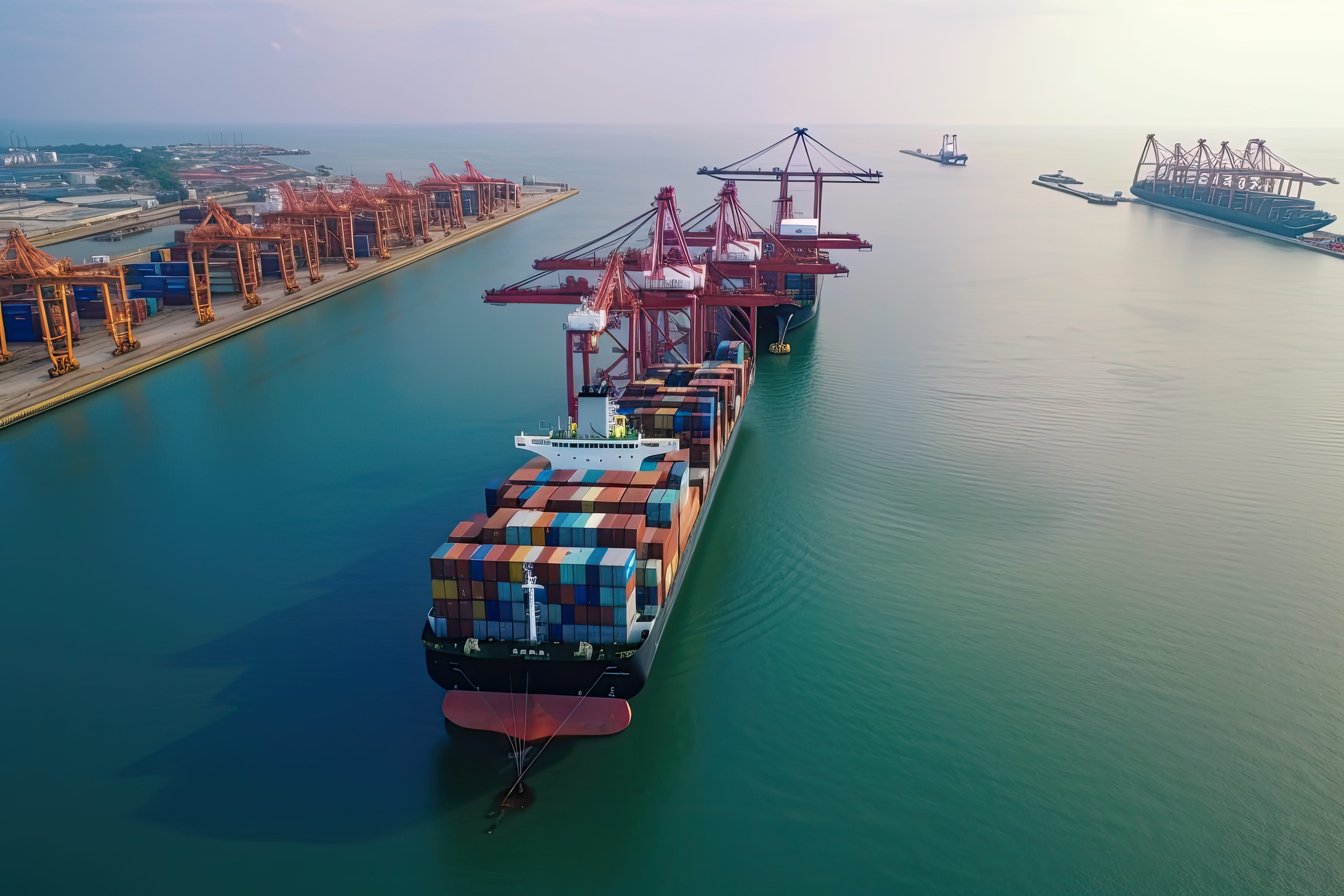
Felixstowe is the UK’s busiest container port and a vital gateway for global trade. Every year, thousands of businesses rely on smooth and timely customs procedures at this port to keep their supply chains moving. However, even the most experienced importers and exporters can face unexpected hurdles. Understanding these challenges-and knowing how to overcome them-can save time, reduce costs, and prevent supply chain disruptions.
This blog explores the most common challenges in customs clearance Felixstowe and provides practical solutions to help businesses navigate the process more efficiently.
1. Ever-Changing Regulations and Compliance Requirements
International trade rules are constantly evolving. From changes in tariff classifications to updates in customs declarations, businesses must stay informed to avoid penalties or delays. Regulatory shifts linked to Brexit, new Free Trade Agreements, and UK customs modernisation have added extra layers of complexity.
How to Overcome This Challenge
- Regularly monitor HMRC updates.
- Maintain accurate internal documentation and compliance procedures.
- Train staff on customs documentation and trade rules.
- Consult professional customs experts or licensed brokers to ensure full compliance.
Staying proactive is essential-non-compliance can cause delays, fines, or even shipment seizures.
2. Incomplete or Incorrect Documentation
Incorrect paperwork is one of the most common causes of delays in customs clearance Felixstowe. Missing details such as wrong HS codes, inaccurate commercial invoices, or incomplete packing lists slow down the clearance process and may result in additional inspections.
How to Overcome This Challenge
- Double-check that all customs documents are complete and accurate.
- Use consistent descriptions of goods across all paperwork.
- Prepare the commercial invoice, packing list, and certificates of origin with attention to detail.
- Automate documentation where possible to reduce human error.
Clear documentation ensures faster processing and lowers the risk of customs intervention.
3. Port Congestion and Delays at Felixstowe
Felixstowe’s immense volume of cargo can sometimes lead to congestion, especially during peak seasons or global supply chain disruptions. Vessel delays, reduced manpower, and high cargo volumes can lengthen the customs clearance timeline.
How to Overcome This Challenge
- Plan shipments well in advance.
- Track cargo status in real time using digital portals.
- Work with partners familiar with Felixstowe’s operations to adjust schedules.
- Prioritise early submission of customs entries to avoid last-minute delays.
Effective planning and communication help minimise the impact of port congestion.
4. Complex Tariff Classifications
Accurate HS (Harmonised System) coding is essential for determining duties, VAT, and applicable regulations. Misclassification can lead to higher costs or compliance issues during customs clearance Felixstowe.
How to Overcome This Challenge
- Use HMRC’s tariff database for proper classification.
- Keep a record of past HS codes for recurring shipments.
- Seek professional guidance if product classifications are unclear.
Correct tariff classification ensures transparency and avoids penalties.
5. Customs Duty and VAT Miscalculations
Incorrect calculations of import duty and VAT are common challenges, especially for businesses handling multiple product categories. Miscalculations may result in unexpected costs or delayed cargo releases.
How to Overcome This Challenge
- Understand how duty rates apply to each product category.
- Confirm whether goods qualify for preferential duty rates under trade agreements.
- Use up-to-date customs calculation tools.
- Keep records of all payments and declarations for auditing.
Proper financial preparation avoids surprises and improves cash flow management.
6. Inspections and Delays Due to Risk Profiling
Goods may be flagged for inspection based on compliance history, product type, origin, or randomness. Physical inspections can significantly increase clearance times at Felixstowe.
How to Overcome This Challenge
- Maintain a strong compliance reputation.
- Keep all documentation clear and consistent.
- Ensure shipments are packed safely and meet all legal requirements.
- Respond quickly to HMRC queries.
Efficient communication and compliance reduce the chances of red flags.
7. Issues With Import Licensing or Restricted Goods
Certain goods such as chemicals, electronics, medicines, and agricultural products require special licenses. Missing permits or incorrect certificates can cause shipments to be held at the port.
How to Overcome This Challenge
- Verify whether your goods require an import or export license.
- Obtain the necessary certifications in advance.
- Maintain communication with product regulators and authorities.
Understanding trade restrictions ensures the timely release of goods.
8. Lack of Expertise in Customs Procedures
Many businesses struggle with the complexity of customs processes at Felixstowe simply because they lack internal expertise. This often leads to errors, delays, and higher operational costs.
How to Overcome This Challenge
- Partner with experienced customs clearance specialists.
- Outsource complex customs documentation tasks.
- Stay informed about UK customs updates and industry trends.
This is where experienced service providers like Global Customs Clearance Ltd. can make the process faster and more reliable.
9. Poor Communication Between Supply Chain Partners
Delays often happen when importers, exporters, freight forwarders, and carriers fail to share timely information. Even a small miscommunication can affect the entire customs clearance process.
How to Overcome This Challenge
- Establish clear communication channels with all supply chain partners.
- Use real-time digital tracking tools.
- Share essential documents well before the shipment arrives.
Smooth communication keeps the supply chain efficient and predictable.
Customs clearance in Felixstowe can be complex, especially with evolving regulations, documentation requirements, and port-related challenges. However, understanding these common obstacles—and implementing the right strategies—can ensure smoother, faster, and more compliant operations. With proper planning, accurate paperwork, and support from experienced professionals, businesses can navigate customs clearance confidently and efficiently. Partnering with trusted experts like Global Customs Clearance Ltd. can further streamline the process, reduce risks, and help businesses focus on growth while staying fully compliant with UK customs standards.