




T1 Transit Documents Explained: When and Why Your Shipment Needs One

Moving goods across international borders involves more than just shipping labels and invoices. For many businesses, a T1 transit document is a critical piece of paperwork that determines whether goods move smoothly or get stuck at the border. Yet many importers and exporters remain unclear about when this document is actually required.
Understanding T1 transit documents is an essential part of managing customs clearance UK processes efficiently. Whether you're moving goods through the EU before they reach the UK, or transporting non-EU goods across multiple countries, knowing how T1 documentation works can save you time, money, and unnecessary complications. Let's explore what T1 transit is, when it's needed, and how to handle it correctly.
What Is a T1 Transit Document?
A T1 transit document is a customs declaration used to move non-EU goods through EU territory without paying import duties or VAT at every border crossing. Instead, duties and taxes are suspended until the goods reach their final destination.
This system exists under the Common Transit Convention (CTC), which allows goods to travel across multiple countries under customs control, rather than being cleared and re-cleared at each border.
In simple terms, T1 acts as a "customs passport" for goods still awaiting final clearance.
Key Purposes of a T1 Document
- Allows goods to move through multiple countries without immediate duty payment
- Simplifies international transit for non-EU goods
- Reduces delays at intermediate borders
- Ensures goods remain under customs supervision until final clearance
When Does Your Shipment Need a T1?
Not every shipment requires a T1 document. It typically applies in these situations:
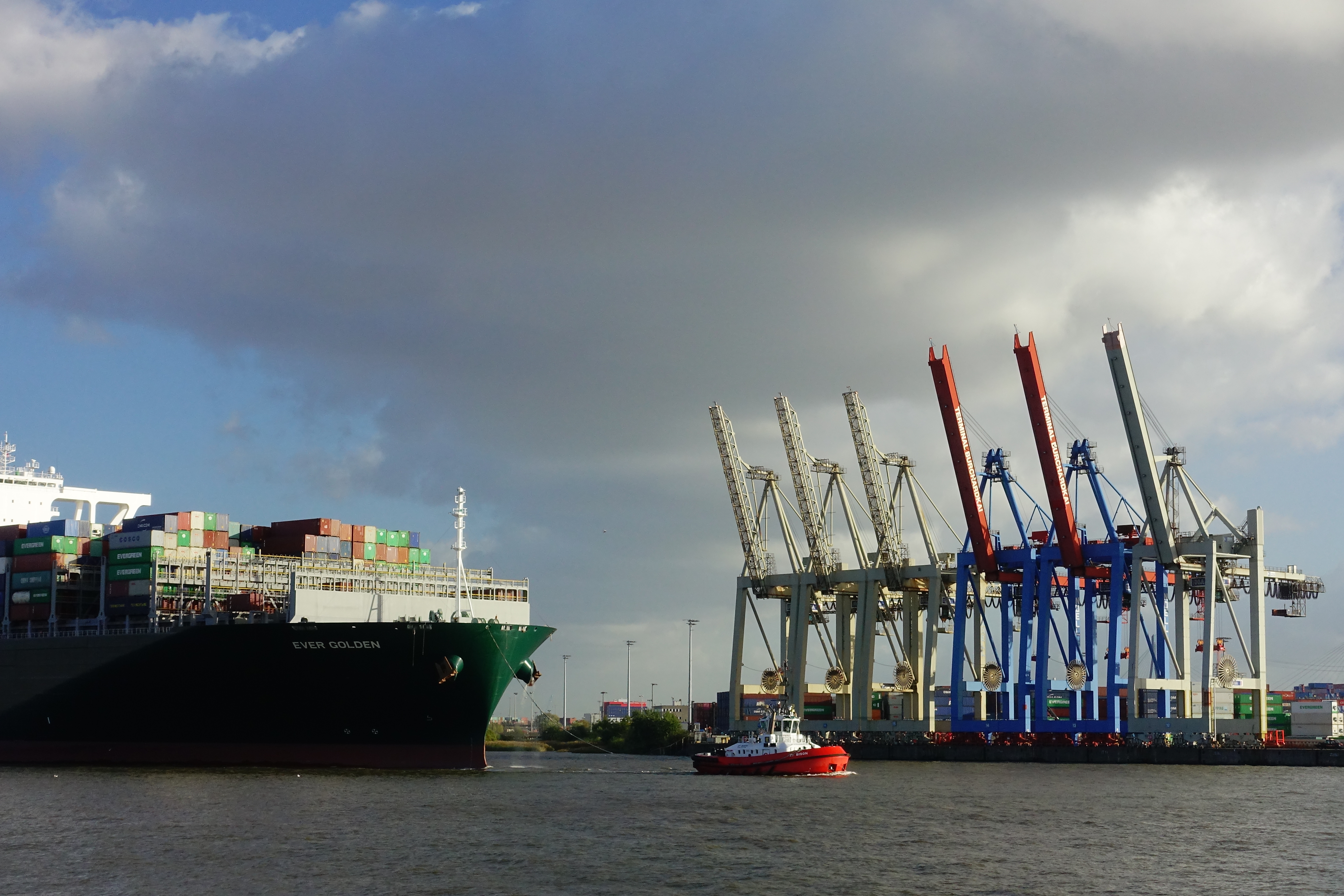
- Non-EU goods transiting through the EU – For example, goods arriving from Asia that pass through European ports before reaching the UK.
- Goods moving from the UK into the EU – Since Brexit, many UK-to-EU shipments now require transit documentation.
- Goods stored in a customs warehouse – When duties haven't yet been paid and goods need to move locations.
- Multi-country shipments – Where goods pass through several EU member states before final clearance.
If your shipment falls into any of these categories, having proper T1 documentation is essential for uninterrupted customs clearance UK processing.
Why T1 Documents Matter for Businesses
Failing to arrange proper transit documentation can lead to serious complications, including:
- Goods being held at ports or borders
- Unexpected storage or demurrage charges
- Delays in delivery timelines
- Potential fines for non-compliance
On the other hand, correctly managed T1 transit allows for cost efficiency—duties are only paid once, at the final point of clearance, rather than at every border crossing.
The Role of Guarantees in T1 Transit
To use the T1 system, businesses typically need a customs guarantee, which acts as a financial safety net covering potential duties and taxes if goods don't reach their destination as declared. This guarantee can be arranged through:
- A comprehensive guarantee (for frequent shippers)
- An individual guarantee (for one-off shipments)
Many businesses choose to work with logistics partners who already hold guarantees in place, avoiding the need to set one up independently.
How the T1 Process Works
Here's a simplified breakdown of the T1 transit journey:
- Declaration submitted – The T1 document is lodged electronically via the New Computerised Transit System (NCTS).
- Goods sealed and dispatched – Goods travel under customs supervision, often with security seals.
- Transit through countries – Goods move through EU territory without duty payments at each stop.
- Arrival at destination – The T1 is discharged once goods reach their final customs office.
- Final clearance and payment – Duties and VAT are calculated and paid at this stage.
This structured process is why accuracy in documentation is so important; errors can cause delays that ripple through the entire supply chain.
Common Challenges Businesses Face
Many companies encounter issues such as:
- Incorrect or incomplete T1 declarations
- Missing guarantee arrangements
- Confusion over when T1 is actually required
- Delays due to unfamiliarity with NCTS systems
This is where experienced support becomes invaluable. Global Cust helps businesses navigate transit documentation with precision, ensuring shipments move efficiently without unnecessary hold-ups.
T1 transit documents play a crucial role in international trade, particularly for businesses moving goods across multiple borders. Understanding when they're required and ensuring accurate documentation can prevent costly delays and keep your supply chain running smoothly.
If your business regularly deals with cross-border shipments, working with a knowledgeable partner can make the process far less stressful. Global Cust specialises in guiding businesses through customs clearance UK requirements, including T1 transit documentation, so your goods keep moving without disruption.
Frequently Asked Questions (FAQs)
1. Is a T1 document the same as a customs declaration?
No. A T1 document specifically covers goods in transit, while a customs declaration is used for final import clearance and duty payment.
2. Do all UK-EU shipments require a T1 document?
Not all, but many do, especially since Brexit changed how goods move between the UK and EU customs territories.
3. What happens if a T1 document isn't properly discharged?
If not discharged correctly, customs authorities may treat the guarantee as liable, potentially resulting in duty and VAT charges being claimed.
4. How long does T1 transit typically take?
Transit times vary based on route and country, but delays are usually linked to documentation errors rather than the transit process itself.
5. Can a freight forwarder handle T1 documentation on my behalf?
Yes. Many freight forwarders and customs specialists manage T1 declarations, guarantees, and NCTS submissions for their clients.