




Is Your Cargo Truly Ready? Mastering Customs Clearance Southampton Without Delays

International trade moves fast, but border procedures can quickly slow shipments down if businesses are not fully prepared. Whether you are importing raw materials or exporting finished goods, understanding the mechanics of Customs clearance Southampton is essential to keeping your supply chain efficient, compliant, and profitable.
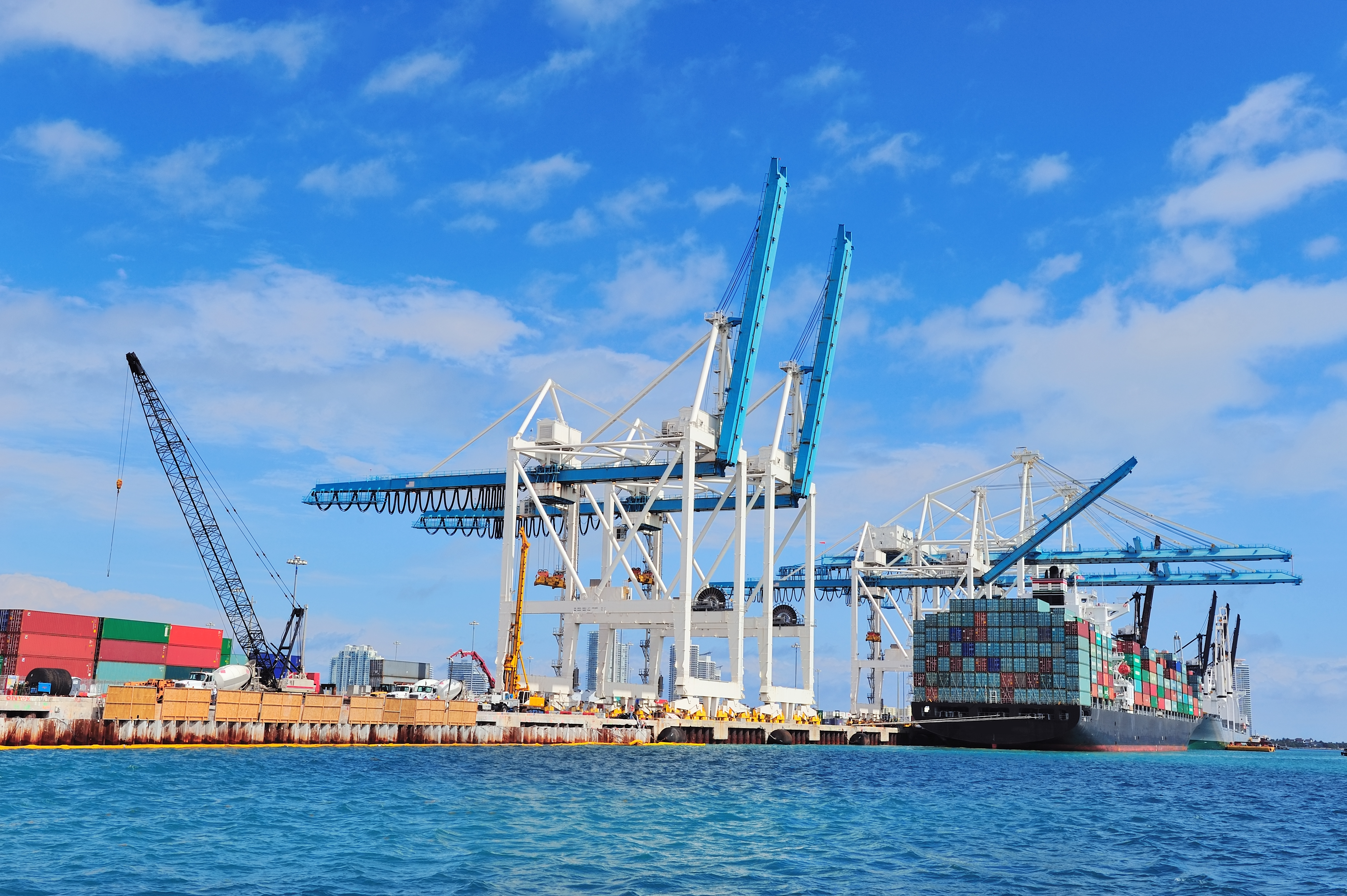
Southampton is one of the UK’s most important maritime gateways, handling large volumes of container traffic, vehicles, and general cargo. With such activity comes strict regulatory oversight. A small documentation mistake or classification error can mean inspections, penalties, storage costs, and unhappy customers. Preparation is everything.
Let’s explore what it really means to have your cargo ready and how companies can navigate the process without unnecessary delays.
Understanding the Customs Clearance Journey
Customs clearance is not simply a form to complete at the port. It is a structured procedure that begins long before goods arrive and continues even after they are released.
The process usually includes:
- Accurate tariff classification
- Determining customs value
- Confirming origin of goods
- Preparing declarations
- Payment of duties and VAT
- Potential inspections or documentary checks
Each step must align with HMRC regulations. When information is inconsistent or incomplete, shipments can be held, sometimes for days.
Why Preparation Matters More Than Speed
Many businesses focus on moving goods quickly, but speed without preparation often leads to disruption. Having correct data in advance enables smooth Customs clearance Southampton procedures and reduces the risk of costly interventions.
Preparation involves gathering commercial invoices, packing lists, transport documents, licenses, and certificates where required. It also means verifying commodity codes and understanding whether goods are subject to restrictions, quotas, or special controls.
The earlier discrepancies are found, the easier they are to fix.
Documentation: The Backbone of Clearance
If customs clearance had a single success factor, it would be paperwork accuracy.
Authorities rely entirely on the information declared. Even minor mismatches between invoice descriptions and tariff classifications can trigger questions. For example, vague product descriptions such as “parts” or “samples” rarely pass without scrutiny.
Clear documentation should always include:
- Precise description of goods
- Correct the HS or commodity code
- Country of origin
- Transaction value and currency
- Incoterms
- Gross and net weights
Consistency across all documents is critical.
Tariff Classification and Valuation
Commodity coding determines the amount of duty and whether additional controls apply. Misclassification can lead to overpayment, underpayment, or post-clearance audits.
Similarly, customs valuation must follow approved methodologies. Charges such as freight, insurance, assists, or royalties may need inclusion depending on the terms of sale.
Many delays occur because traders underestimate how detailed these calculations can be.
Managing Risk and Compliance
Customs authorities operate risk-based systems. Declarations that appear unusual, incomplete, or historically problematic are more likely to be examined.
Maintaining compliance history helps reduce interventions. Businesses that invest in accurate data, internal procedures, and knowledgeable staff usually benefit from smoother releases.
Compliance is not only about avoiding fines; it is about protecting the predictability of delivery schedules.
Communication Across the Supply Chain
Clearance efficiency often depends on collaboration between suppliers, freight forwarders, brokers, and importers.
If one party submits incorrect or late information, everyone feels the impact. Establishing timelines for document submission, double-checking entries, and confirming responsibilities can dramatically reduce last-minute surprises.
Strong communication transforms Customs clearance Southampton from a reactive scramble into a controlled operation.
Technology and Pre-Lodgement Advantages
Modern customs systems allow entries to be submitted before cargo even arrives. Pre-lodgement enables authorities to assess risk early and, in many cases, grant immediate release once goods land.
Digital solutions also help businesses maintain audit trails, store classification data, and reuse validated information. Over time, this builds reliability and consistency.
Common Causes of Delays
Despite best intentions, certain mistakes appear repeatedly:
- Incorrect commodity codes
- Missing or expired licenses
- Unclear valuation adjustments
- Late amendments
- Poor product descriptions
Recognizing these patterns helps businesses create preventive measures rather than emergency fixes.
Building Expertise That Supports Growth
As trade volumes increase, so does regulatory complexity. Having access to specialists who understand procedures, software systems, and evolving legislation can make a significant difference.
Professionals experienced in Customs clearance Southampton can anticipate challenges, advise on documentation, and ensure declarations are submitted correctly the first time.
Companies such as Globalcust support traders by helping them interpret requirements and maintain high compliance standards while keeping cargo moving efficiently.
Post-Clearance Responsibilities
Release of goods is not the end of the journey. Authorities may request supporting evidence months later. Businesses must retain records, be ready to justify classifications, and demonstrate how values were calculated.
A well-organized document management system reduces future risk and simplifies audits.
Turning Complexity into Confidence
Customs procedures can feel overwhelming, particularly for new importers or exporters. However, with structured preparation, accurate information, and reliable guidance, the system becomes manageable.
By focusing on compliance, communication, and data accuracy, traders can minimize disruptions and gain greater control over timelines and costs. Experienced providers like Globalcust often emphasize that prevention is far more efficient than correction.
So, is your cargo truly ready? Successful Customs clearance Southampton depends on far more than submitting a declaration at the port. It requires early preparation, precise documentation, correct classification, and ongoing compliance management.
Businesses that treat customs as a strategic function rather than a last-minute task are the ones that avoid delays, reduce expenses, and maintain strong customer relationships. With the right processes in place, international shipping becomes not just possible, but predictable and efficient.