




Is Your Cargo Prepared for the Latest Customs Clearance Changes at London Gateway?

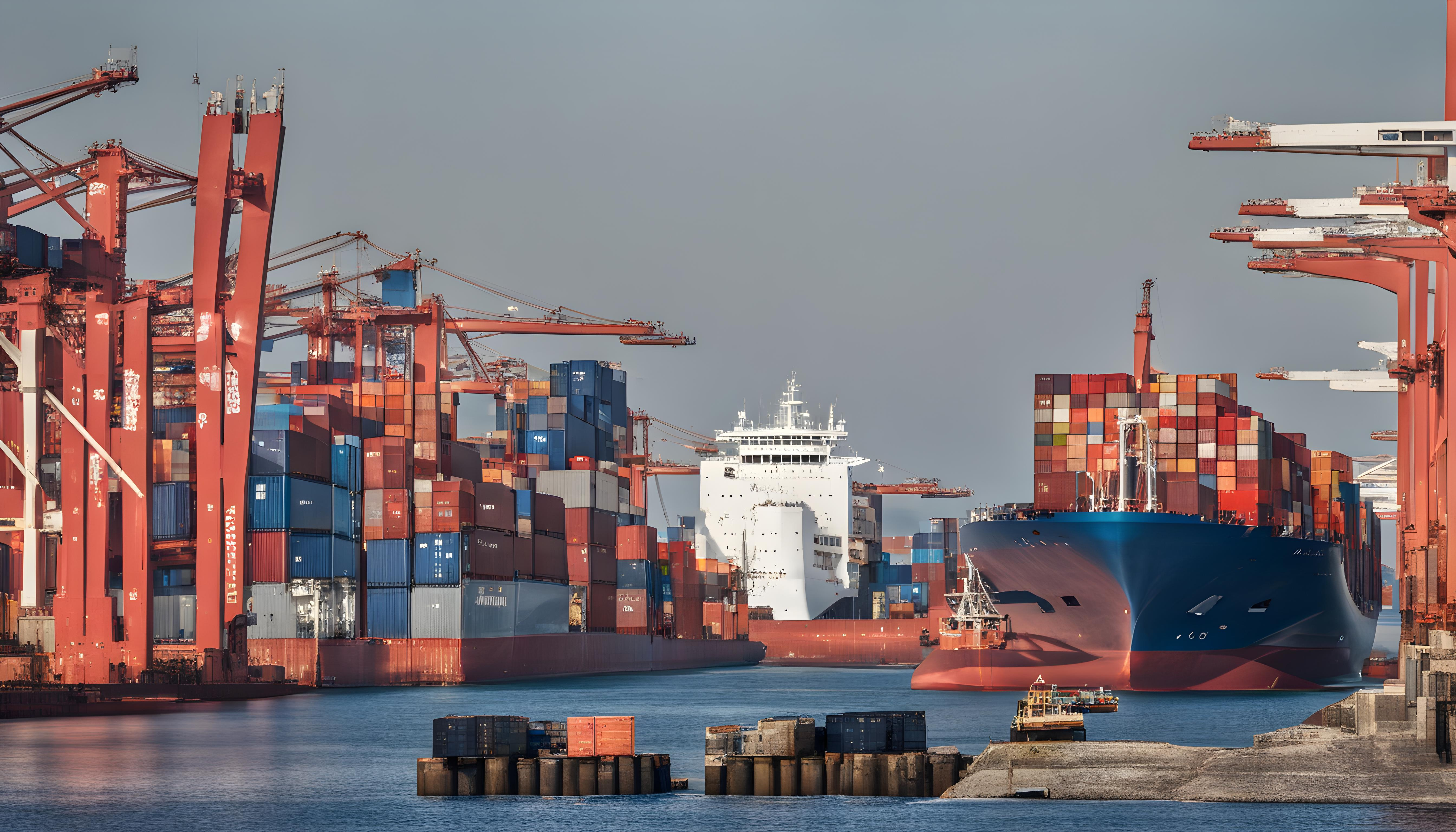
As global trade regulations continue to evolve, businesses involved in importing and exporting goods through UK ports must stay informed about the latest customs requirements. One of the busiest trade hubs in the country, London Gateway, has become increasingly important for international shipping and logistics operations. However, with changing customs procedures, digital documentation systems, and compliance regulations, many businesses are now asking an important question: Is your cargo truly prepared for the latest changes?
Understanding the recent developments in Customs Clearance UK procedures is essential for avoiding delays, reducing costs, and maintaining smooth supply chain operations. Whether you are a first-time importer or an experienced logistics manager, keeping up with customs updates can help your business remain compliant and competitive.
Understanding the Importance of Customs Clearance
Customs clearance is the process of ensuring that goods entering or leaving the country meet all legal and regulatory requirements. This process includes:
- Submitting customs declarations
- Paying duties and taxes
- Providing shipping and commercial documents
- Meeting import/export regulations
- Passing inspections if required
At major ports such as London Gateway, customs processes have become more digitised and compliance-focused. Businesses that fail to prepare properly may face shipment delays, unexpected charges, or even cargo holds.
Efficient Customs Clearance UK procedures are not only important for legal compliance but also for maintaining customer satisfaction and operational efficiency.
Why London Gateway Is a Key Trade Hub
London Gateway has become one of the UK’s most advanced deep-sea ports due to its strategic location, modern infrastructure, and integrated logistics facilities. The port handles a large volume of container traffic and supports businesses across industries including retail, manufacturing, pharmaceuticals, automotive, and food distribution.
As cargo volumes increase, customs authorities are implementing stricter procedures to improve security, streamline trade, and reduce fraud. This means businesses must now pay greater attention to documentation accuracy and shipment planning.
Latest Customs Clearance Changes Businesses Should Know
1. Increased Focus on Digital Documentation
One of the biggest changes in customs operations is the shift toward digital customs systems. Importers and exporters are now expected to submit declarations electronically with accurate and complete information.
Incorrect or incomplete digital entries can lead to:
- Delayed cargo release
- Additional inspections
- Financial penalties
- Increased storage costs
Businesses should ensure that all invoices, packing lists, commodity codes, and certificates are updated and correctly submitted before cargo arrives.
2. Stricter Commodity Code Verification
Commodity codes play a major role in determining customs duties, VAT rates, and regulatory requirements. Customs authorities are paying closer attention to classification errors.
Incorrect codes may result in:
- Overpayment or underpayment of duties
- Customs disputes
- Shipment delays
- Compliance risks
Proper classification is now an essential part of successful Customs Clearance UK operations.
3. Greater Emphasis on Import Compliance
Authorities are increasingly monitoring compliance standards for imported goods. Businesses must ensure that products meet UK regulations related to safety, labelling, packaging, and certification.
Industries such as food, electronics, chemicals, and medical supplies may face additional checks. Importers should verify all compliance requirements before shipping goods to avoid complications at London Gateway.
4. Enhanced Border Security Measures
Security screening and cargo inspections have become more advanced in recent years. Customs authorities may conduct random or targeted inspections depending on the shipment type, country of origin, or documentation accuracy.
Preparing complete and transparent documentation can help reduce the risk of delays caused by inspections.
5. Changes in Duty and VAT Procedures
Duty calculations and VAT handling procedures continue to evolve under updated trade frameworks. Businesses must understand how import taxes apply to their goods and maintain proper financial records.
Failure to manage duty payments correctly can affect cash flow and lead to compliance issues during audits.
How Businesses Can Prepare for Customs Changes
Keep Documentation Accurate
Accurate paperwork is one of the most important factors in smooth customs processing. Businesses should regularly review:
- Commercial invoices
- Packing lists
- Bills of lading
- Certificates of origin
- Commodity classifications
Even small errors can create significant delays during customs checks.
Stay Updated on Regulatory Changes
Customs regulations can change frequently. Businesses involved in international trade should regularly monitor updates related to:
- Import/export policies
- Duty rates
- Trade agreements
- Restricted goods
- Documentation standards
Staying informed helps companies avoid unexpected disruptions.
Work With Experienced Customs Professionals
Professional customs specialists can help businesses navigate complex procedures and maintain compliance. An experienced customs team understands port-specific requirements and can assist with documentation, declarations, and duty management.
Many companies rely on trusted customs service providers such as Global Custodians to support efficient customs operations and reduce the risk of delays.
Plan Shipments in Advance
Last-minute documentation or incomplete shipment planning can create costly disruptions. Businesses should allow sufficient time for customs processing, inspections, and transportation scheduling.
Advance planning becomes especially important during peak shipping seasons when ports experience high cargo volumes.
Train Internal Teams
Employees involved in shipping, procurement, and logistics should understand the basics of customs procedures and compliance requirements. Proper training can help reduce mistakes and improve operational efficiency.
Common Challenges Businesses Face
Despite improved technology, businesses still encounter several customs-related challenges, including:
- Documentation errors
- Delayed cargo release
- Incorrect tariff classifications
- Unexpected duty charges
- Compliance misunderstandings
- Communication gaps between suppliers and logistics providers
Proactive preparation and professional support can help minimise these issues.
The Future of Customs Clearance at London Gateway
The future of customs operations is expected to become even more technology-driven. Automation, artificial intelligence, and advanced cargo tracking systems may continue transforming how goods are processed at UK ports.
Businesses that adapt early to changing customs procedures will likely experience faster processing times and improved supply chain reliability. Maintaining compliance and investing in efficient customs management strategies will remain essential for long-term success.
Companies such as Global Custodians continue to support businesses in managing modern customs requirements efficiently and professionally.
Preparing cargo for the latest customs changes at London Gateway is no longer optional for businesses involved in international trade. Accurate documentation, proper compliance management, correct commodity classification, and proactive shipment planning are now essential components of successful Customs Clearance UK operations.
As customs regulations continue evolving, businesses that stay informed and prepared can reduce delays, control costs, and maintain smoother supply chain performance. By understanding current customs procedures and adopting efficient practices, importers and exporters can navigate London Gateway with greater confidence and operational success.
FAQs
1. What is customs clearance in the UK?
Customs clearance is the legal process of declaring goods to customs authorities when importing or exporting products into or out of the UK.
2. Why are customs changes important at London Gateway?
London Gateway handles a large volume of international cargo, and updated customs procedures help improve security, compliance, and trade efficiency.
3. What documents are required for Customs Clearance UK?
Common documents include commercial invoices, packing lists, bills of lading, certificates of origin, and customs declarations.
4. How can incorrect commodity codes affect shipments?
Incorrect commodity codes may result in customs delays, incorrect duty payments, penalties, or additional inspections.
5. How can businesses avoid customs delays at London Gateway?
Businesses can reduce delays by maintaining accurate documentation, staying updated on regulations, planning shipments early, and working with experienced customs professionals.