




Freight Forwarding vs Customs Clearance: Understanding the Key Differences

If you're new to importing or exporting, you've probably heard the terms "freight forwarding" and "customs clearance" used interchangeably. While both play a vital role in getting your goods from A to B, they are two distinct services with different responsibilities.
Understanding this difference matters. Confusing the two can lead to gaps in your supply chain, unexpected delays, or compliance issues with customs clearance UK requirements. In this guide, we'll break down what each service actually does, how they work together, and why knowing the distinction can save your business time, money, and stress.
What Is Freight Forwarding?
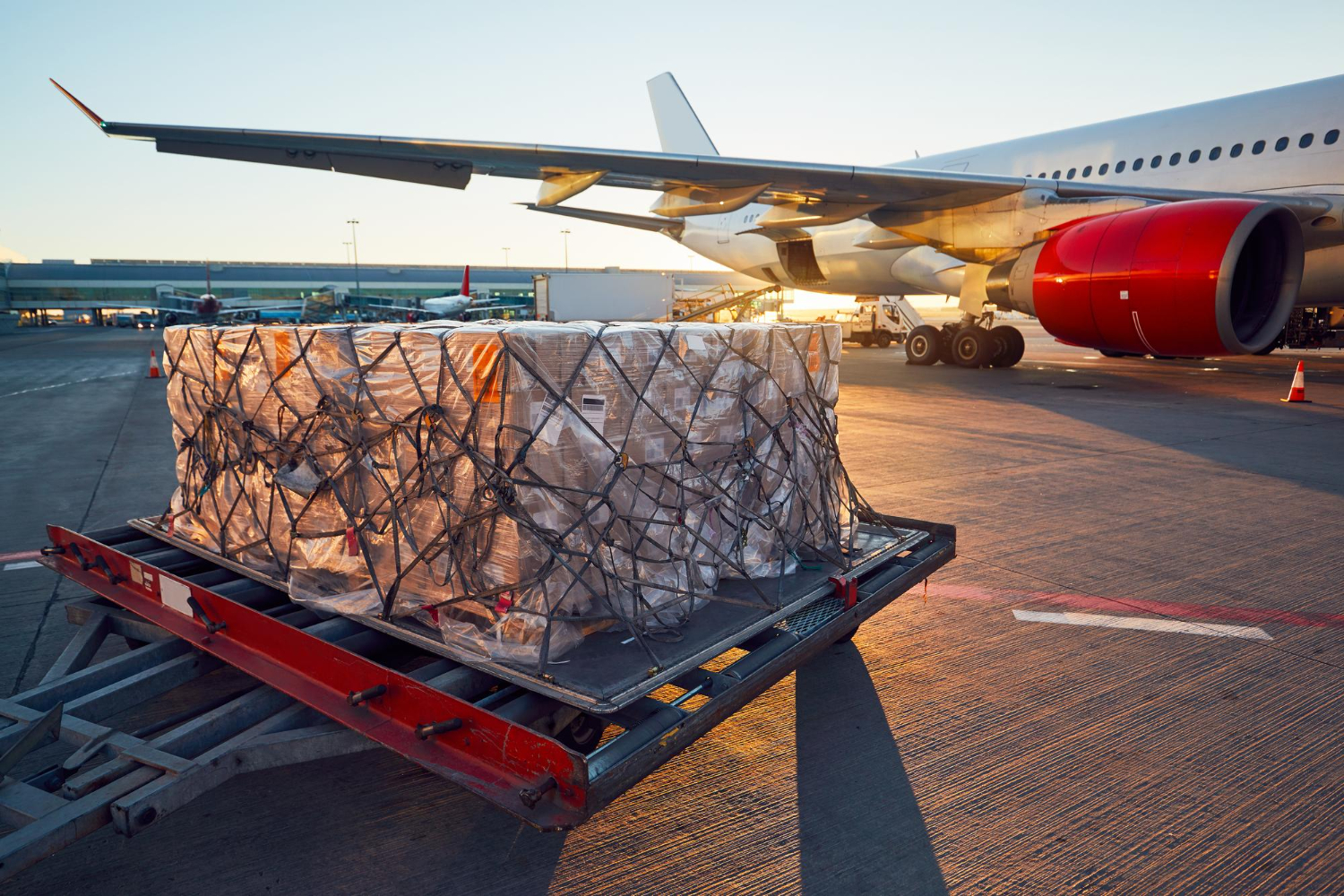
A freight forwarder acts as the logistics coordinator for your shipment. Rather than owning ships, planes, or trucks, forwarders arrange transportation on your behalf, working with carriers to move goods efficiently from origin to destination.
Typical freight forwarding responsibilities include:
Booking cargo space with shipping lines, airlines, or hauliers
Arranging warehousing and consolidation of goods
Managing route planning and transit times
Providing tracking and shipment visibility
Handling freight insurance arrangements
In short, freight forwarders focus on the physical movement of goods. They're the ones ensuring your cargo gets loaded, transported, and delivered on schedule.
What Is Customs Clearance?
Customs clearance is a separate, highly regulated process that ensures goods entering or leaving a country comply with legal and tax requirements. This is where customs clearance UK procedures come into play for any business importing or exporting through British ports and airports.
Customs clearance typically involves:
Submitting accurate export or import declarations
Classifying goods with the correct commodity codes
Calculating applicable duties, tariffs, and VAT
Ensuring licences or certificates are in place for restricted goods
Liaising directly with HMRC or relevant customs authorities
Unlike freight forwarding, customs clearance is a legal and administrative function. Without it, goods simply cannot legally cross international borders; no matter how efficient the transport arrangements are.
Key Differences at a Glance
Aspect | Freight Forwarding | Customs Clearance |
Focus | Physical movement of goods | Legal and regulatory compliance |
Main contact | Shipping lines, airlines, hauliers | HMRC and customs authorities |
Documentation | Bills of lading, shipping manifests | Export/import declarations, commodity codes |
Risk if done incorrectly | Delayed delivery, missed connections | Fines, seized goods, border rejection |
While these functions are separate, they are deeply interconnected. A shipment can be perfectly organised from a logistics standpoint, but if customs clearance UK documentation is missing or incorrect, it simply won't move past the border.
Why Businesses Often Need Both Services
Many businesses assume that hiring a freight forwarder automatically covers customs clearance. This isn't always the case. Some forwarders offer in-house customs brokerage, while others outsource it or don't provide it at all.
Before choosing a logistics partner, it's worth asking:
Does this provider handle customs declarations directly?
Are they familiar with commodity codes for your specific products?
Can they manage licensing requirements for controlled goods?
Do they have experience with customs clearance UK regulations post-Brexit?
Getting clear answers upfront prevents nasty surprises when your shipment reaches the border.
The Real-World Impact of Getting It Wrong
Since the UK departed from the EU, customs declarations have become mandatory for shipments to and from the EU, adding a layer of complexity that didn't exist a few years ago. Businesses that overlook proper customs clearance UK procedures often face:
Shipments held at ports for days or weeks
Storage and demurrage charges that quickly add up
Strained relationships with international clients due to missed deadlines
Increased scrutiny on future shipments from customs authorities
These issues are entirely avoidable with the right expertise in place.
How Global Cust Bridges the Gap
This is exactly why many businesses choose to work with specialists who understand both sides of the process. Global Cust offers dedicated customs clearance UK support that complements your freight forwarding arrangements, ensuring your goods are not only transported efficiently but also fully compliant at every border crossing.
Rather than treating logistics and compliance as separate boxes to tick, an integrated approach means fewer delays, clearer communication, and greater confidence that your shipments will arrive on time and within budget.
Freight forwarding and customs clearance may seem similar on the surface, but they serve very different purposes in international trade. One gets your goods moving; the other ensures they're legally allowed to move at all.
For UK businesses navigating imports and exports, understanding this distinction and partnering with providers who excel at both is key to building a resilient, efficient supply chain. If you're looking for expert guidance on customs clearance UK requirements alongside reliable freight coordination, Global Cust is ready to help you move forward with confidence.