




Could Customs Clearance London Gateway Become the Preferred Route for Global Trade in the UK?

International trade continues to evolve as businesses look for faster, more efficient, and more reliable routes to move goods across borders. In the United Kingdom, ports play a crucial role in supporting global supply chains, and one location gaining increasing attention from importers and exporters is London Gateway. With advanced infrastructure, strategic connectivity, and growing trade activity, many businesses are asking whether Customs clearance at London Gateway could become the preferred route for global trade in the UK.
Understanding how customs clearance works at this modern port can help companies make informed decisions when planning their logistics and supply chain strategies.
The Growing Importance of London Gateway in Global Trade
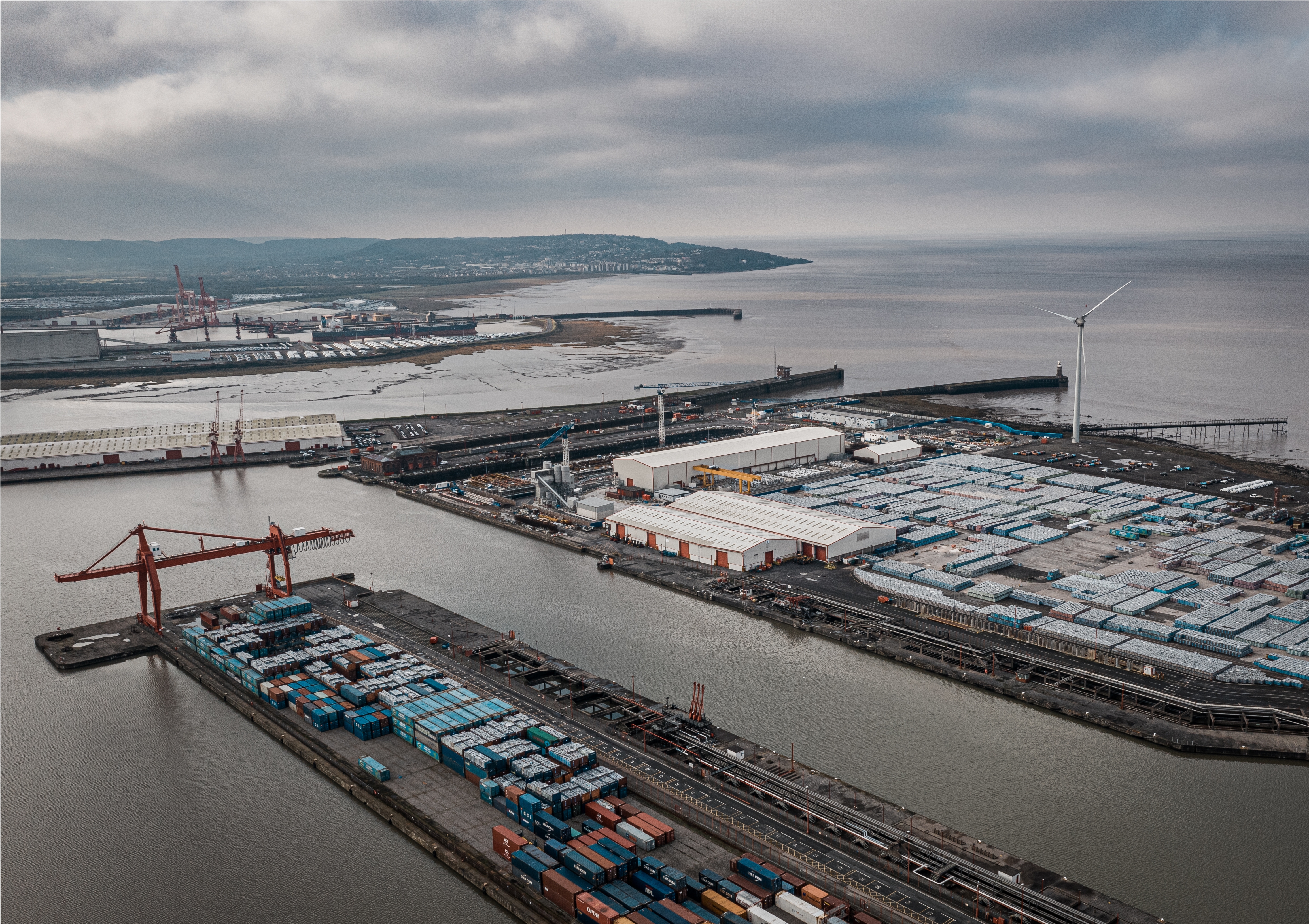
London Gateway is one of the UK’s most technologically advanced deep-sea ports. Located on the River Thames, it provides direct access to international shipping routes and offers excellent connectivity to major distribution networks across the country.
The port has been designed to handle large container vessels and streamline cargo movement through highly automated systems. These features reduce delays and improve operational efficiency, making the port attractive to businesses involved in international trade.
As trade volumes increase and supply chains become more complex, efficient customs processes are essential. This is where Customs clearance London Gateway becomes a key factor in enabling smooth and compliant cross-border trade.
Understanding Customs Clearance in International Trade
Customs clearance is a critical process that ensures imported and exported goods comply with national regulations. Every shipment entering or leaving the UK must go through customs procedures to confirm that all required documentation, duties, and regulations have been addressed.
The process typically involves:
- Submission of customs declarations
- Verification of shipment documentation
- Classification of goods using tariff codes
- Calculation and payment of applicable duties and taxes
- Inspection or verification when necessary
Efficient customs clearance ensures goods move quickly through ports while maintaining compliance with international trade regulations.
At a busy logistics hub such as London Gateway, streamlined customs procedures can significantly reduce delays and improve overall supply chain efficiency.
Why Businesses Are Turning to London Gateway
Several factors are contributing to the growing popularity of Customs clearance London Gateway among importers and exporters.
Strategic Location
London Gateway is positioned close to major commercial centers in the UK, particularly London and the South East. Its proximity to key highways and rail networks allows goods to be transported quickly to distribution hubs and warehouses.
This location advantage can reduce inland transportation time and logistics costs for businesses importing goods into the UK.
Advanced Port Infrastructure
Modern ports must handle high volumes of cargo efficiently. London Gateway was designed with automation and digital logistics systems that allow faster cargo handling and improved operational transparency.
These features help reduce port congestion and support smoother customs processes, which are essential for companies working with tight delivery schedules.
Integrated Logistics Ecosystem
Another major advantage is the integration of the port with logistics parks and distribution centers. Businesses can move goods directly from ships to nearby warehouses, minimizing delays between unloading and delivery.
This integrated approach supports more efficient customs processing and faster release of cargo.
The Role of Technology in Modern Customs Clearance
Technology is playing an increasingly important role in improving customs procedures worldwide. Digital systems allow companies to submit documentation electronically, track shipments in real time, and ensure regulatory compliance more efficiently.
At ports like London Gateway, digital infrastructure helps facilitate faster customs processing by improving communication between shipping companies, customs authorities, and logistics providers.
Automation also helps reduce human errors in documentation and data entry, which are common causes of shipment delays.
As international trade continues to adopt digital solutions, ports that invest in advanced technologies are likely to become preferred trade gateways.
Compliance and Regulatory Considerations
Customs regulations in the UK require businesses to ensure that all imports and exports meet legal requirements. This includes proper documentation, accurate product classification, and compliance with customs duties and taxes.
Failure to meet these requirements can lead to delays, financial penalties, or even seizure of goods.
Professional customs support can help businesses manage these complexities effectively. Companies such as Global Customs Ltd assist importers and exporters in handling customs declarations, documentation, and regulatory compliance to ensure smooth cargo movement.
With increasing regulatory scrutiny and evolving trade policies, businesses benefit from expert guidance during the customs clearance process.
How Efficient Customs Clearance Benefits Businesses
Smooth customs clearance offers several important advantages for companies engaged in global trade:
Reduced shipment delays: Faster processing helps goods reach their destination on time.
Improved supply chain reliability: Businesses can plan logistics operations with greater certainty.
Cost savings: Avoiding storage fees, demurrage charges, and delays can significantly reduce logistics expenses.
Regulatory compliance: Proper documentation ensures businesses meet legal requirements.
These benefits explain why many businesses are paying closer attention to customs clearance processes when selecting ports and shipping routes.
The Future of Customs Clearance at London Gateway
As global trade continues to grow, ports that offer efficient logistics and streamlined customs procedures will become increasingly important.
London Gateway is well-positioned to support this demand due to its modern infrastructure, digital systems, and strategic location. Continued investment in automation and trade technology could further enhance its role in UK supply chains.
Industry experts believe that ports capable of combining operational efficiency with advanced customs processing will become the preferred gateways for international commerce.
Organizations like Global Customs Ltd support businesses navigating customs procedures and regulatory requirements, helping ensure that shipments move smoothly through ports such as London Gateway.
Efficient customs clearance is essential for businesses involved in global trade. As supply chains become more complex and international commerce continues to expand, companies must choose logistics routes that provide speed, reliability, and compliance.
With its modern infrastructure, strategic location, and growing logistics ecosystem, London Gateway has the potential to play a significant role in the future of UK trade. The increasing efficiency of Customs clearance London Gateway may position the port as a preferred gateway for businesses looking to streamline their import and export operations.
By understanding customs requirements and working with experienced customs professionals, companies can navigate international trade with greater confidence and efficiency.
Frequently Asked Questions (FAQs)
1. What is customs clearance at London Gateway?
Customs clearance at London Gateway refers to the process of verifying and approving imported or exported goods through customs authorities to ensure they comply with UK trade regulations.
2. Why is London Gateway becoming popular for international trade?
London Gateway offers advanced port infrastructure, strong transport connectivity, and efficient logistics systems, making it an attractive option for businesses involved in global trade.
3. What documents are required for customs clearance?
Typical documents include a commercial invoice, packing list, bill of lading, customs declaration, and any certificates required for regulated goods.
4. How long does customs clearance usually take?
The time can vary depending on shipment details, documentation accuracy, and whether inspections are required. Efficient documentation can help speed up the process.
5. Why is professional assistance important for customs clearance?
Customs procedures can be complex and involve strict regulatory requirements. Professional customs support helps ensure compliance, reduces delays, and allows businesses to manage international trade more efficiently.